Mi Otro Yo
Mi Otro Yo is an immersive professional development experience in Oaxaca, Mexico, for bilingual and bicultural clinicians working with Latine communities.
Many therapeutic models give limited attention to culture, migration, racism, language, spirituality, and the therapist’s own identity. Mi Otro Yo invites clinicians to explore the parts of themselves they may have learned to minimize or leave outside the therapy room—and what becomes possible when they bring more of who they are into their practice.
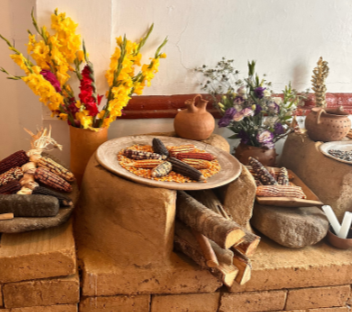
Who have I learned to be as a therapist?
What parts of myself have I been encouraged to bring into my work—and what parts have I learned to silence?
What knowledge do I carry from my family, community, culture, and lived experience?
What might become possible if I brought more of that knowledge into my practice?
Mi Otro Yo invites us to ask:
Who Am I as a Therapist?
Identity, Values & Intentions
Explore what has shaped who you are and how you show up as a clinician.
What Has Shaped My Clinical Practice?
Unlearning & Naming Harm
Examine how oppression, professional training, and lived experience influence your practice—and what you may need to question or unlearn.
What Wisdom Do I Already Carry?
Cultural Wealth & Legacy
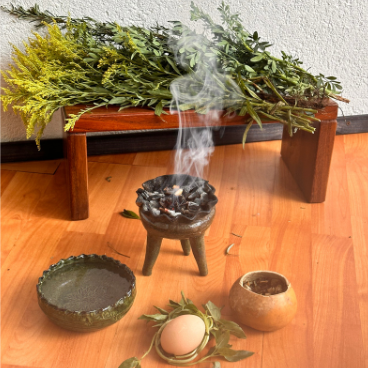
Reclaim the knowledge and wisdom you carry from family, culture, community, ancestors, and lived experience.
Who Am I Becoming?
Visioning Mi Otro Yo
Imagine a more integrated clinical identity that makes room for your whole self.
How Will I Carry This Forward?
Integration, Commitment & Community
Turn reflection into action through concrete intentions for your practice and community.
The Learning Journey
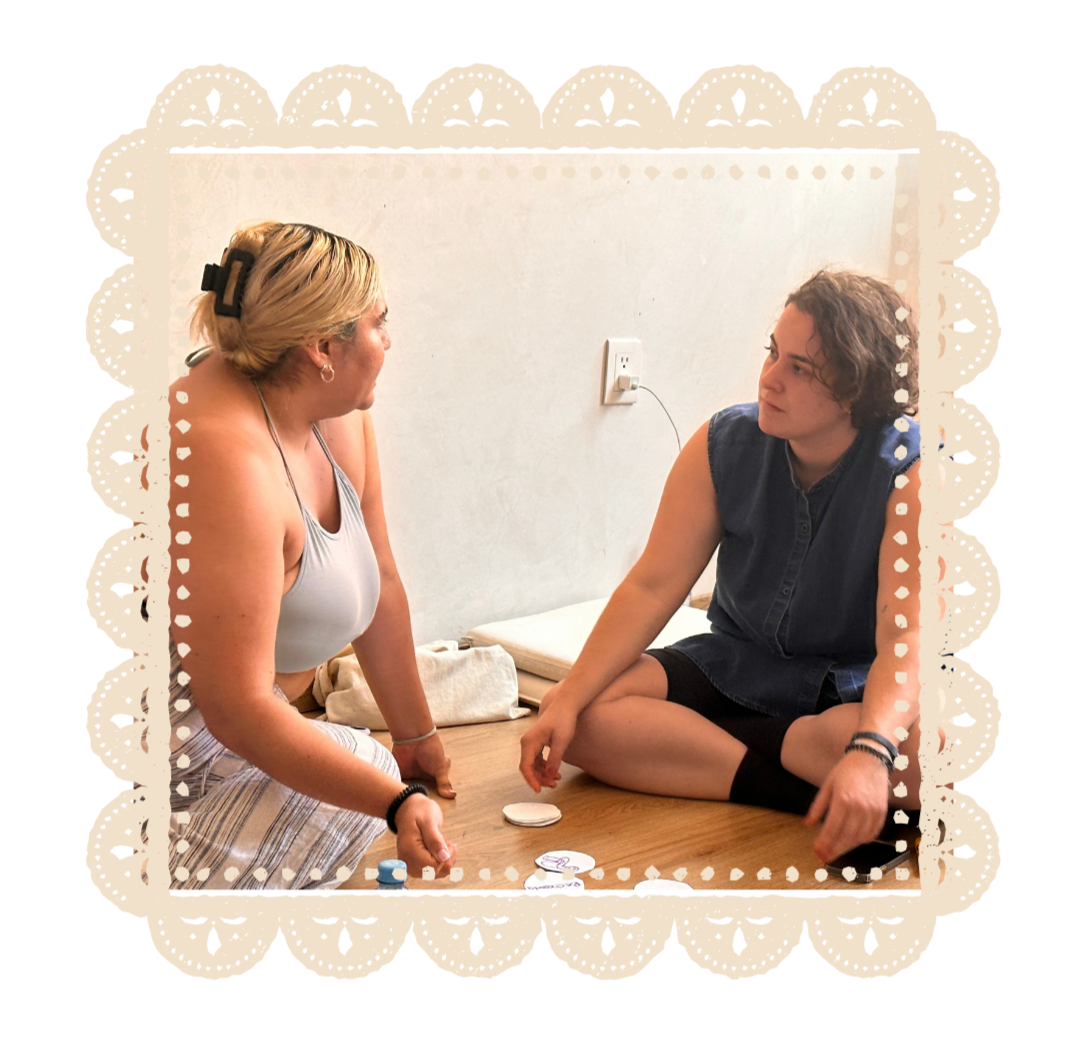
Mi Otro Yo Faculty
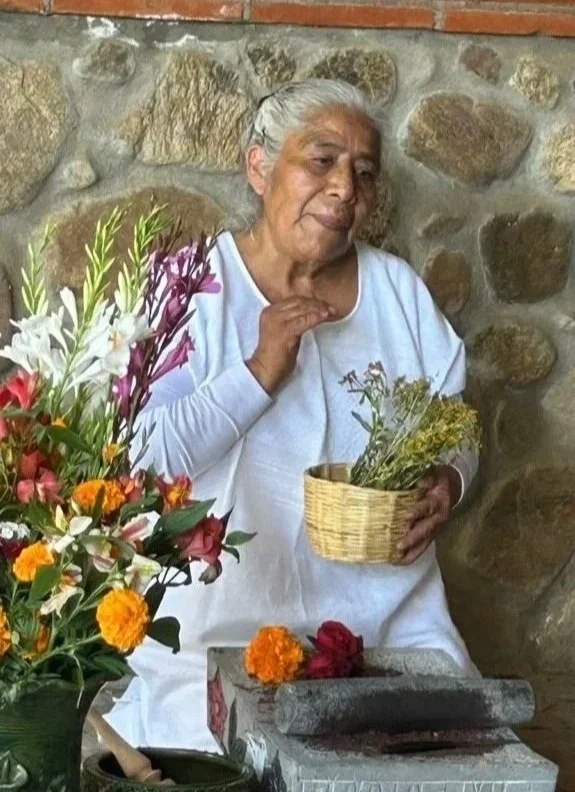
Margarita Ramírez López
Fourth-Generation Traditional Healer (Curandera)
Margarita Ramírez López was born in the community of Santa María del Tule, Tlacolula, Oaxaca. She is the daughter of Vidal Ramírez Matías, a farmer and beekeeper, and Ángela López Méndez, a respected community curandera.
From a very young age, Margarita began learning about herbal medicine and traditional healing through the practices, teachings, and knowledge passed down by her ancestors. She comes from a lineage of women healers: her great-grandmother worked with medicinal plants, farm animals, and minerals; her grandmother practiced healing with plants and minerals; and her mother was a respected curandera who also drew upon these traditional forms of knowledge.
Throughout her life, Margarita has developed extensive experience in herbal medicine, traditional medicine, and community-based healing practices, carrying forward knowledge passed down through generations.
In addition to her work as a curandera, Margarita has shared her knowledge through workshops, trainings, and consultations with a variety of groups and institutions, including ICAPET (Oaxaca’s Institute for Job Training and Productivity) and the Vidas y Sueños Foundation, based in Palo Alto, California.
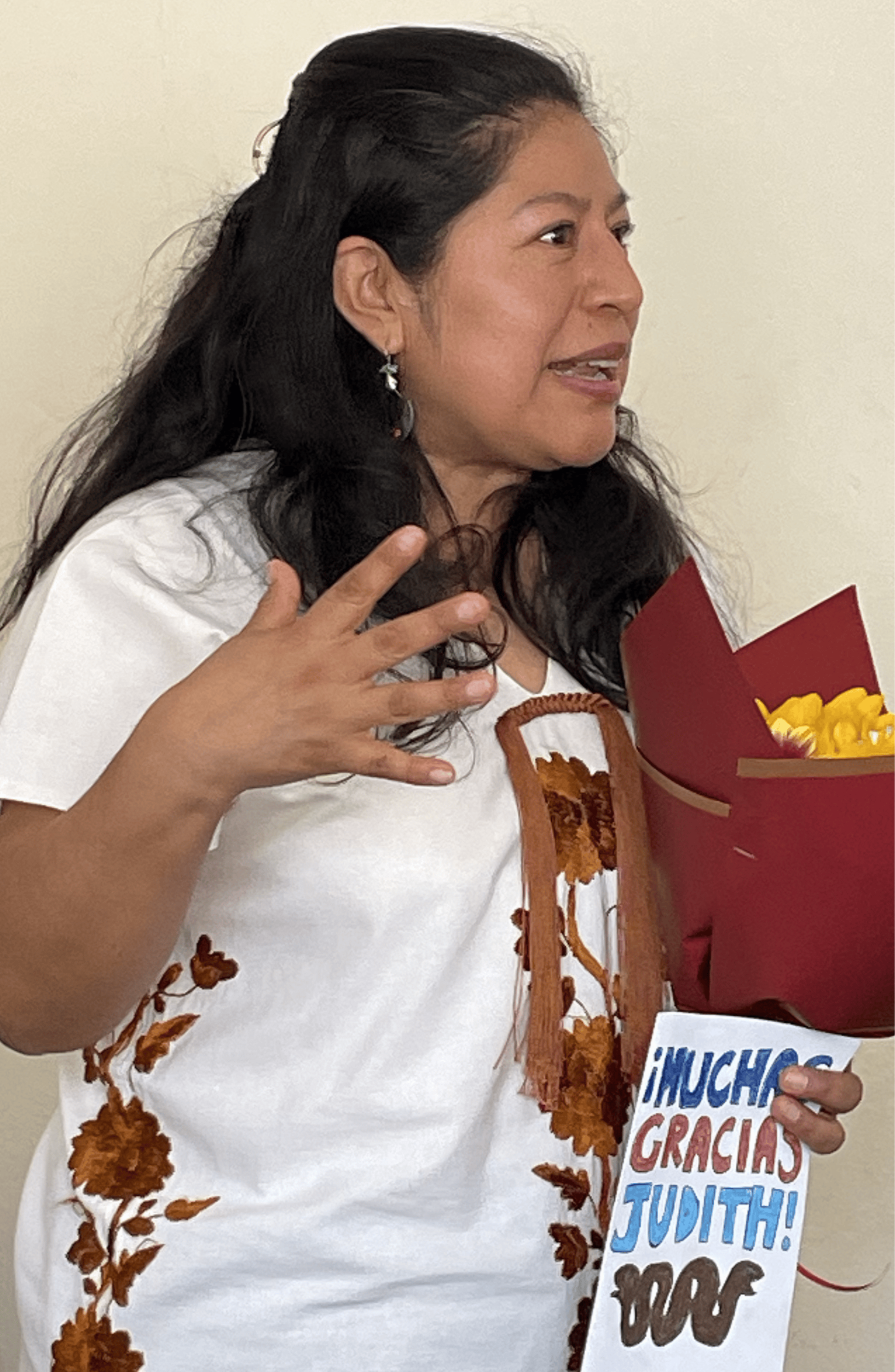
Judith Bautista Pérez
Judith Bautista Pérez is Zapotec and originally from San Juan Atepec in the District of Ixtlán de Juárez, Oaxaca, Mexico. She studied Sociology at the Universidad Autónoma Metropolitana-Xochimilco and earned a master's degree in Sociology from Universidad Iberoamericana, Mexico City Campus.
Her early interest in the formation of the Mexican state and economic and social inequality deepened through dialogue and shared work with colleagues, sisters, and fellow thinkers. This collective process led her to a more focused examination of racism, nation-states, and Indigenous peoples.
Judith has written numerous articles and has given lectures, workshops, and courses addressing racism, the state, women, and Indigenous peoples.
She was a member of the Interdisciplinary Network of Researchers on the Indigenous Peoples of Mexico (Red-Iinpim) and collaborates with the Centro Profesional Indígena de Asesoría, Defensa y Traducción (CEPIADET, A.C.) and the Asamblea de Mujeres Indígenas de Oaxaca (AMIO).
Through these relationships, she continues an ongoing dialogue with other Indigenous thinkers who, like her, are engaged in the search for words, ideas, histories, and sources of meaning that sustain them as they continue weaving their lives and communities.
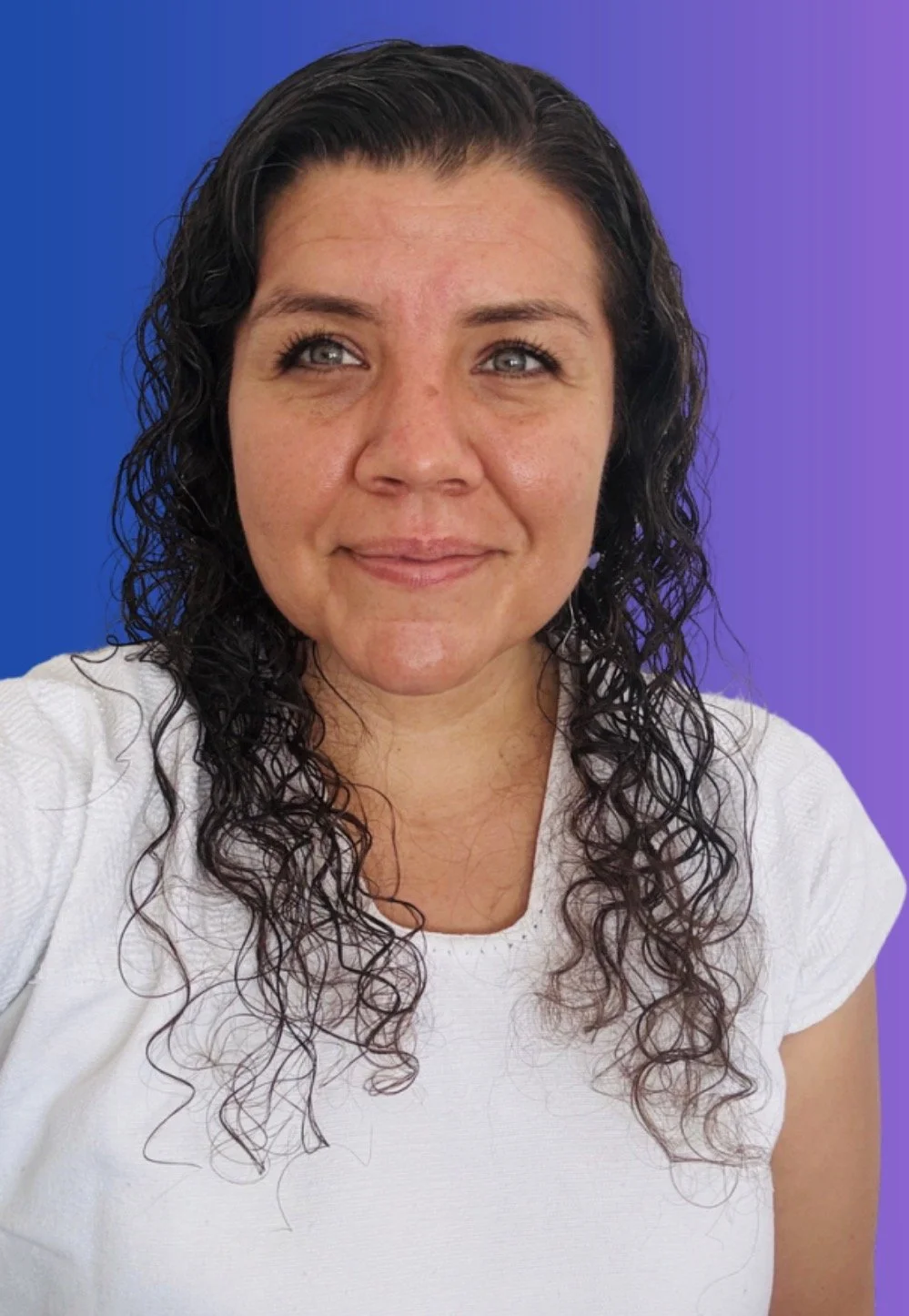
Mónica Sierra
Mónica Sierra is a psychologist and family and couples psychotherapist with doctoral-level training in Family and Couples Therapy and specialized training in Family Constellations.
Her practice integrates a systemic and transgenerational perspective with emotion-focused, trauma-informed, body-centered, culturally responsive, and spiritual approaches.
She works with individuals, couples, and families, exploring how personal histories, relationships, lived experiences, and family legacies shape who we are and how we relate to others.
Her work is grounded in a deeply human approach that fosters reconciliation, connection, and transformation. For Mónica, the therapeutic encounter is also a meeting between people—a space where professional knowledge and human experience can come together in service of healing, peace, and life.
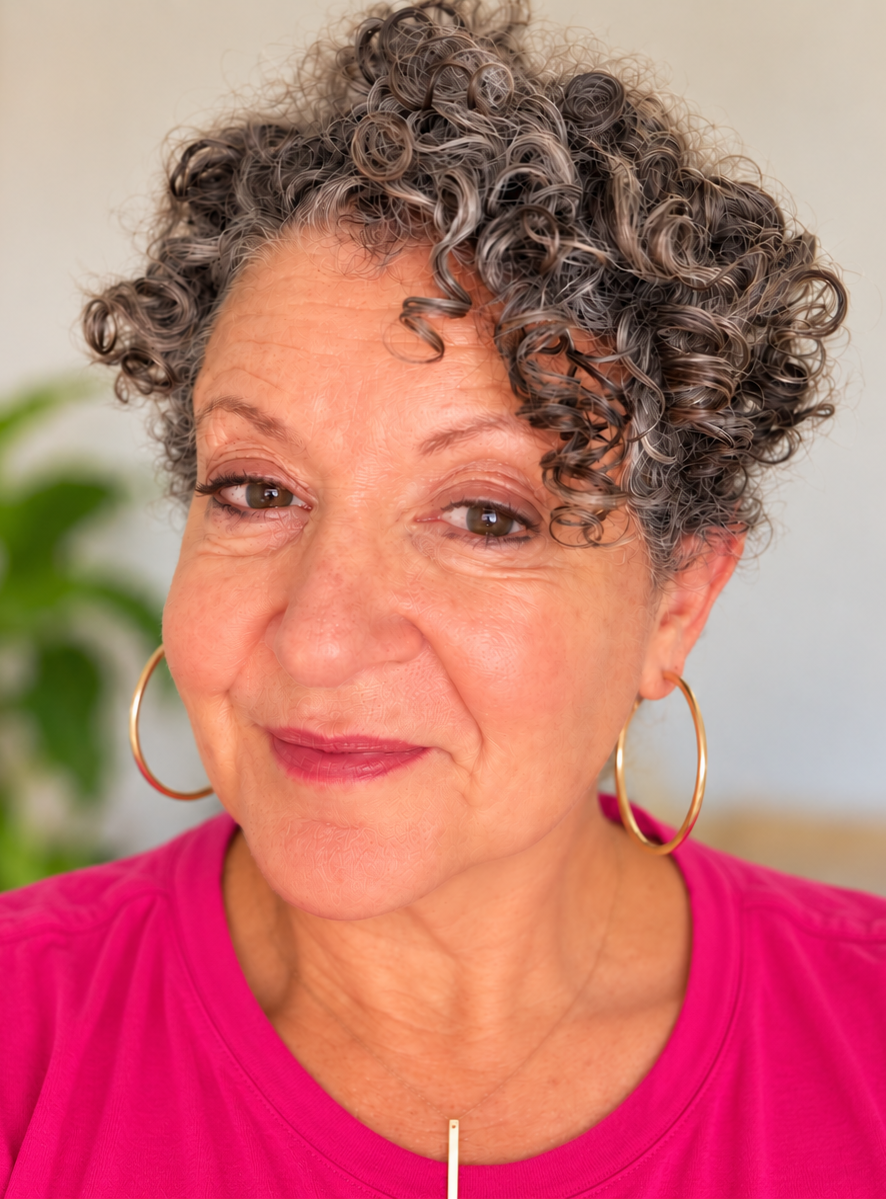
Luna Calderón
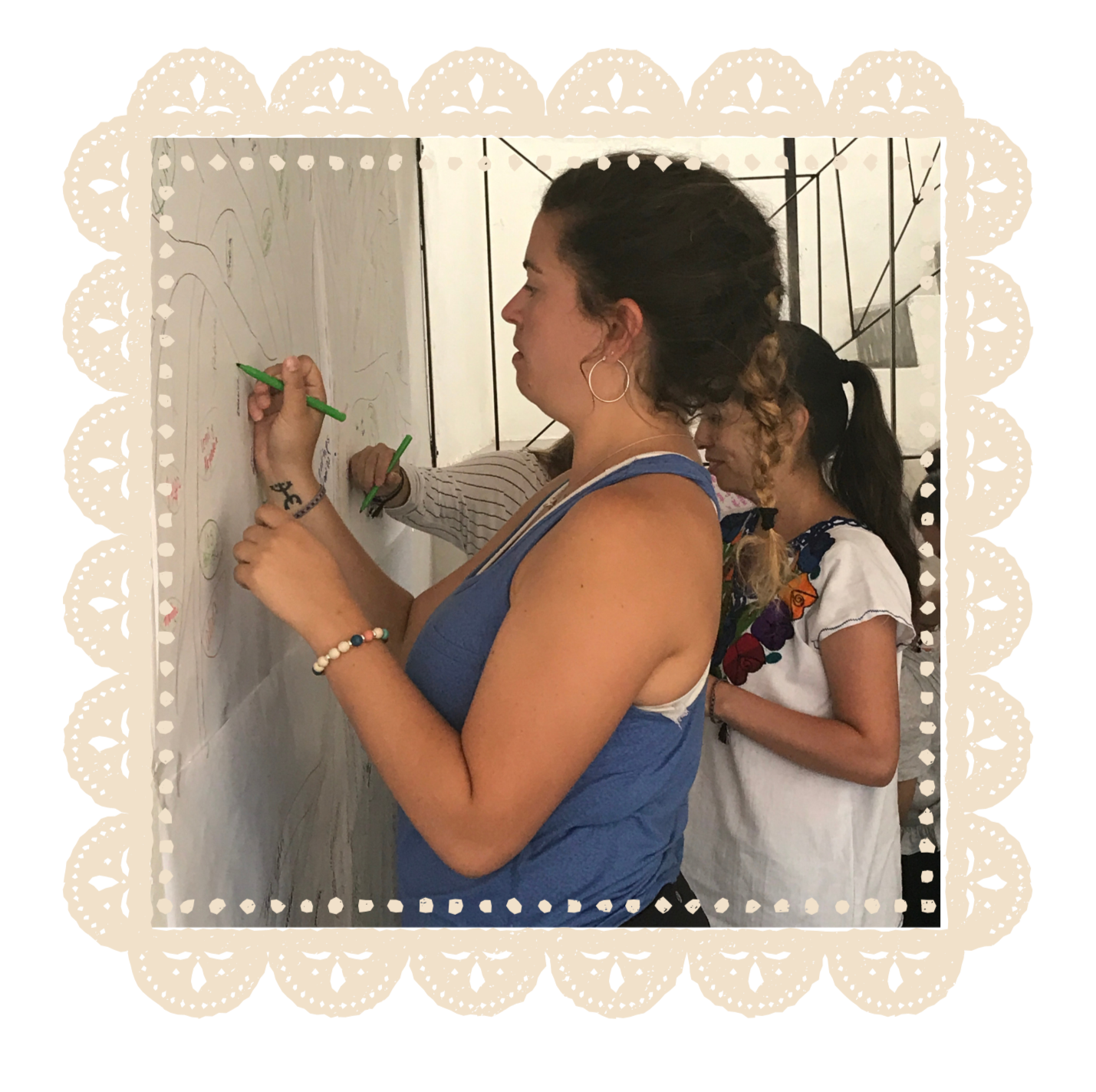
Collaborative with more than 30 years of experience in social work and mental health. A bilingual and bicultural Latina born in Brazil and raised in Mexico and the United States, Luna brings her lived experience of navigating cultures and identities into her teaching and clinical work. Her practice draws from Narrative Therapy, Solution-Focused Brief Therapy, and Internal Family Systems, with a focus on culture, identity, creativity, and social justice. As creator and facilitator of Mi Otro Yo, Luna helps weave together the program’s experiences through reflection, dialogue, and integration, grounding the work in praxis—reflection, action, and transformation.
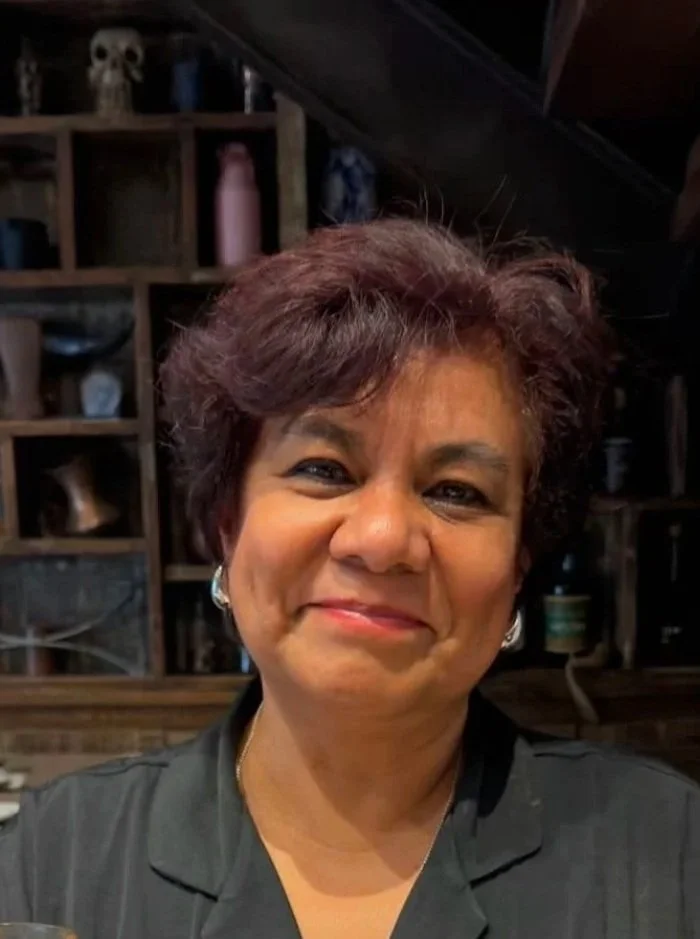
Dr. Martha Leticia Canseco Bennetts
Born in Oaxaca and proud of her Indigenous roots, Dr. Martha Leticia Canseco Bennetts is an educator, community leader, and dentist who practiced for more than 20 years before training to teach Spanish as a second language.
She is the director of Becari Conzatti Language School, which has welcomed international students to Oaxaca for more than 30 years, connecting Spanish-language learning with the culture and traditions of the region.
Martha is also co-founder and President of Centro de Esperanza Infantil A.C. (CEI), supporting children and young people in Oaxaca since 1999, and founder of Rancho Águila, a space rooted in nature, culture, and Oaxacan traditions.
In 2024, she was recognized as an Oaxacan Woman for her service and commitment to her community. Across her work, Martha brings a deep love for Oaxaca, its people, culture, and traditions, along with a lifelong commitment to education, health, and community.
Mi Otro Yo Frequently Asked Questions
-
Registration opens September 29th. In order to register, we will need you to submit the following:
If you have any questions or concerns regarding the registration process, please email cndy.l.v@gmail.com
-
January 25th - January 29th, 2027
9:30am - 2:00pm (tenetative)
-
The cost of Mi Otro Yo is $995. A non-refundable deposit of $150 is required by October 30 to secure your place. The remaining balance ($845) can be paid in one installment or two payments ($422.50). Complete payment is due by November 30, 2026.
This fee includes:
Five days (20 hours) of workshop and training
Workshop materials
Transportation related to scheduled program activities, when needed
Water, coffee and snacks
Participants are responsible for airfare, lodging, meals, and personal expenses unless otherwise specified.
-
Please write us at cndy.l.v@gmail.com or lunacalderonlcsw@gmail.com
-
Mi Otro Yo will take place at a venue in downtown Oaxaca City, Oaxaca, Mexico. The workshop is hosted in partnership with Becari Conzatti Language School, which has extensive experience offering educational and cultural programs for behavioral health professionals and has hosted several similar programs over the years.
-
Depending on the number of participants enrolled, a scholarship spot may be available.
If you are interested in being considered for this opportunity, please contact Luna at lunacalderonlcsw@gmail.com.
-
Yes. Continuing Education credits are available for an additional $30 fee, payable to El Futuro.
El Futuro has been approved by NBCC as an Approved Continuing Education Provider. Programs that do not qualify for NBCC credit are clearly identified. El Futuro is solely responsible for all aspects of the program, NBCC Approval No. 6947.
El Futuro, Provider #2455, is also approved by the Association of Social Work Boards (ASWB) Approved Continuing Education (ACE) program to provide social work continuing education. Regulatory boards have the final authority regarding acceptance of individual courses for continuing education credit.
Social workers completing this course are eligible to receive 20 cultural competency continuing education credits. Participants registering for continuing education may also receive 20 NBCC hours, as applicable.
Please note: The current ASWB ACE provider approval period listed in our materials is December 12, 2025–November 1, 2026. Updated approval information will be confirmed prior to the program.
-
Because Mi Otro Yo is an immersive experience in Oaxaca, Spanish will be the primary language used throughout much of the program, although some portions may naturally take place in Spanglish.
Participants are strongly encouraged to have at least an advanced-intermediate level of Spanish so they can participate fully in discussions, workshops, and experiential activities.
Interpretation will not be available.
-
No. Participants are responsible for arranging their own travel to and from Oaxaca.
Participants traveling from the United States will generally fly into Oaxaca International Airport (OAX). Airfare varies considerably depending on the departure city, airline, and how far in advance travel is booked.
For participants who live near the U.S.–Mexico border, flying from cities such as Tijuana or Ciudad Juárez may offer more affordable options.
We strongly encourage participants to make travel arrangements early.
-
Oaxaca offers a wide range of accommodations, including hotels, pensiones, hostels, apartments, guesthouses, family stays, and boutique hotels.
Participants are responsible for arranging and paying for their own accommodations. Housing can be booked through common travel and vacation-rental platforms.
Our partner, Becari Conzatti, can also assist participants in identifying housing options.
Prices vary widely. Budget accommodations and guesthouses may be available for approximately $40–$60 per night, while luxury boutique hotels and five-star properties may range from $400 to more than $900 per night.
January is a popular time to visit Oaxaca, so we recommend making reservations as early as possible.
-
Oaxaca City is very walkable, particularly in the historic downtown area.
Taxis are plentiful and generally easy to arrange. Participants interested in visiting pueblos and communities outside Oaxaca City may also use colectivos, taxis, hired cars, or vans.
Transportation required for scheduled Mi Otro Yo activities will be coordinated as needed. Becari Conzatti can also assist participants who need help arranging additional local transportation.
Why Oaxaca?
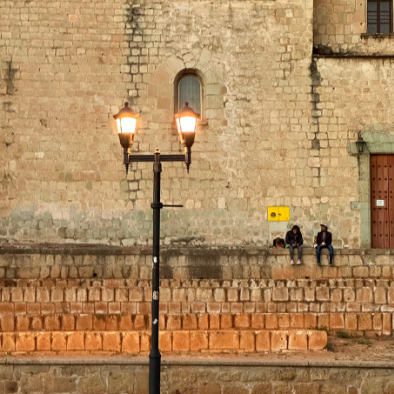
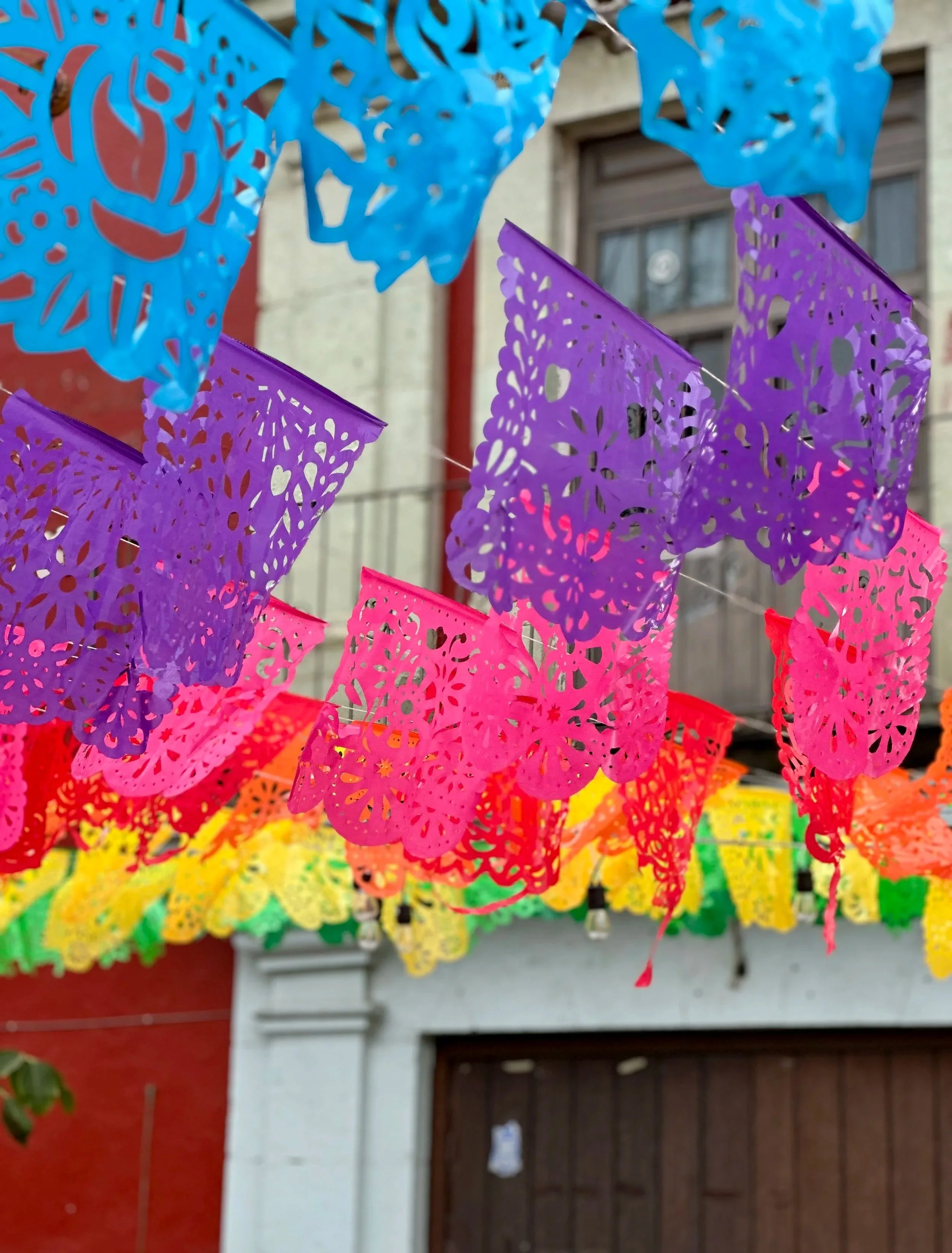
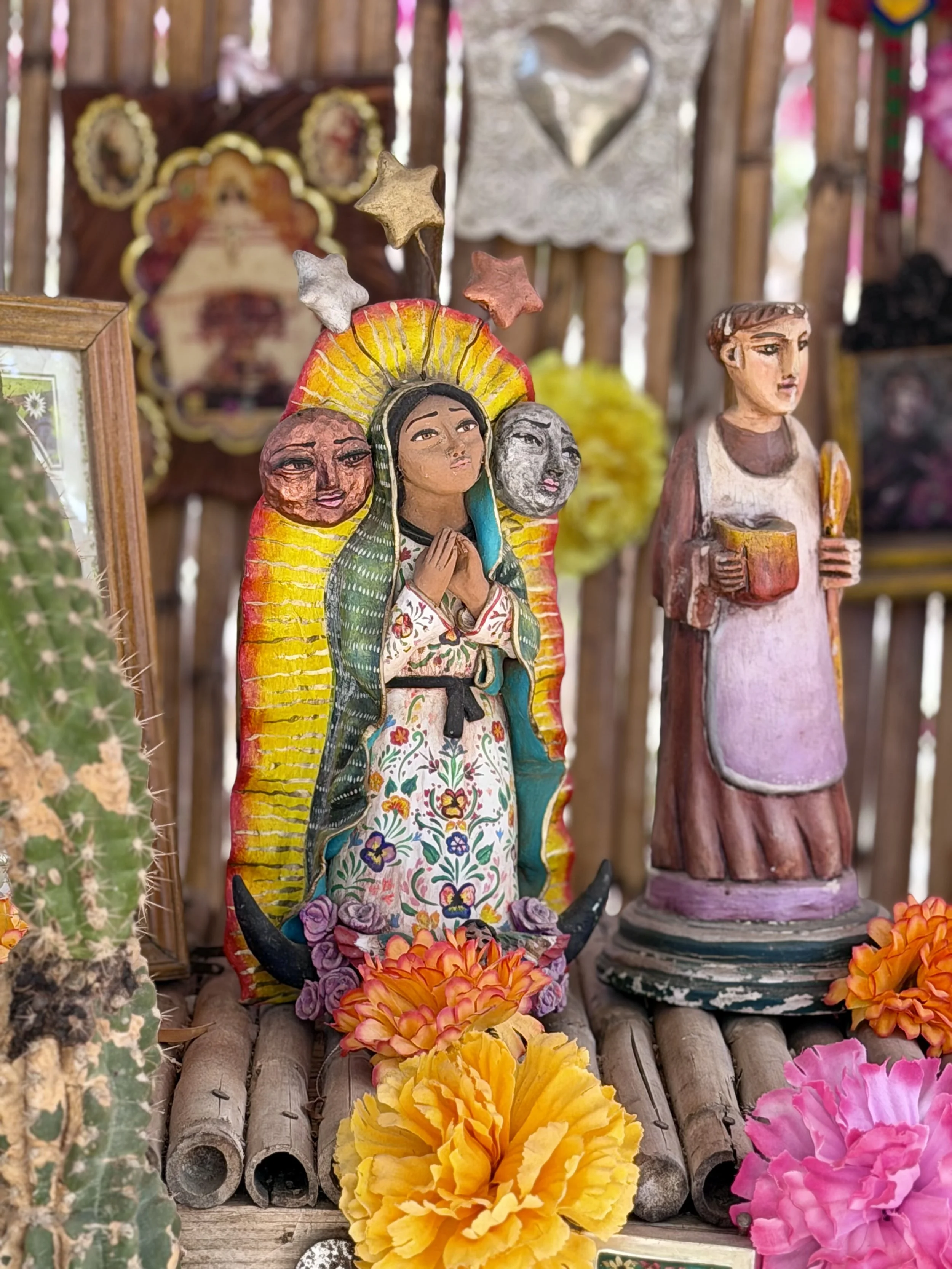
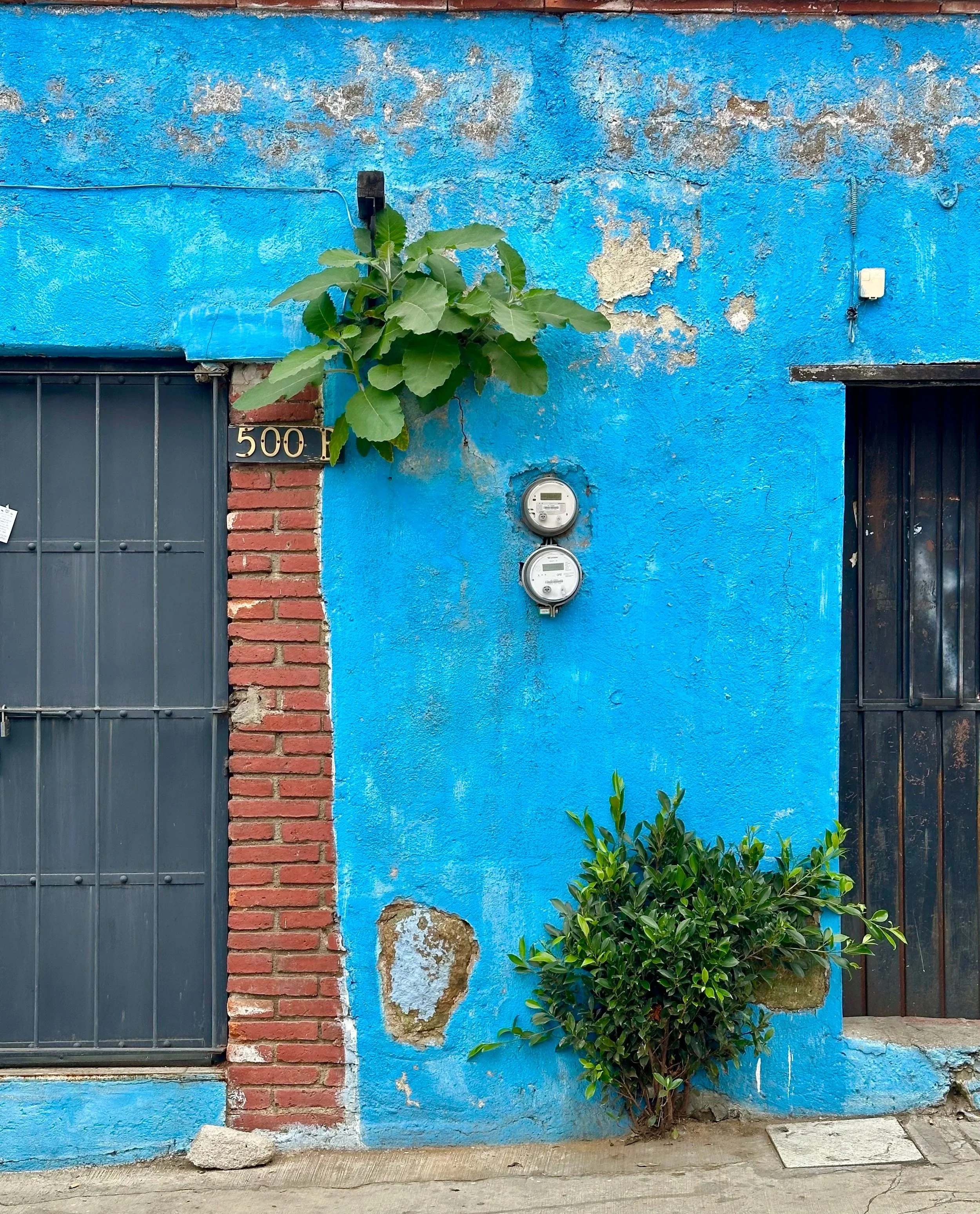
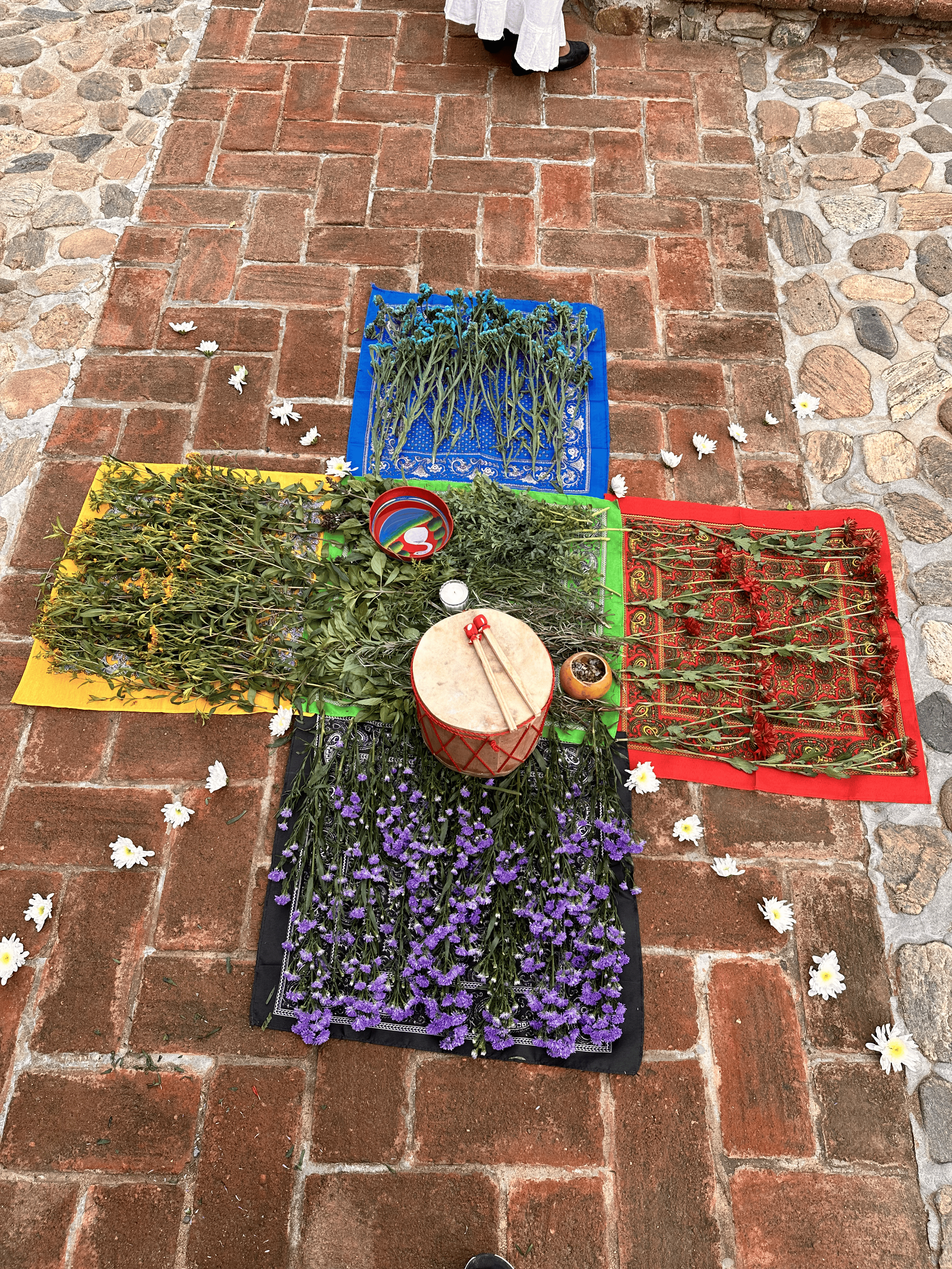
Oaxaca is more than the setting for Mi Otro Yo—it is part of the learning experience. Its living Indigenous communities continue to carry forward generations of knowledge and traditions expressed through art, food, history, community, spirituality, and healing. Oaxaca invites us to encounter different ways of knowing, understanding, and being in the world.
It is a place that encourages us to slow down, listen, reflect, and reconnect—with culture, community, ancestral wisdom, and the knowledge we already carry. For Mi Otro Yo, Oaxaca becomes both classroom and teacher, creating space to imagine new possibilities for who we are and how we practice.